Is SPC flooring durable? This is one of the most common questions asked by homeowners, developers, and design professionals when choosing flooring materials. The durability of SPC flooring depends not only on the quality of the material itself, but also on its construction, surface protection, installation conditions, usage environment, and maintenance. So, what are the key factors that directly affect the lifespan of SPC flooring?
1. SPC Core Structure and Material Quality
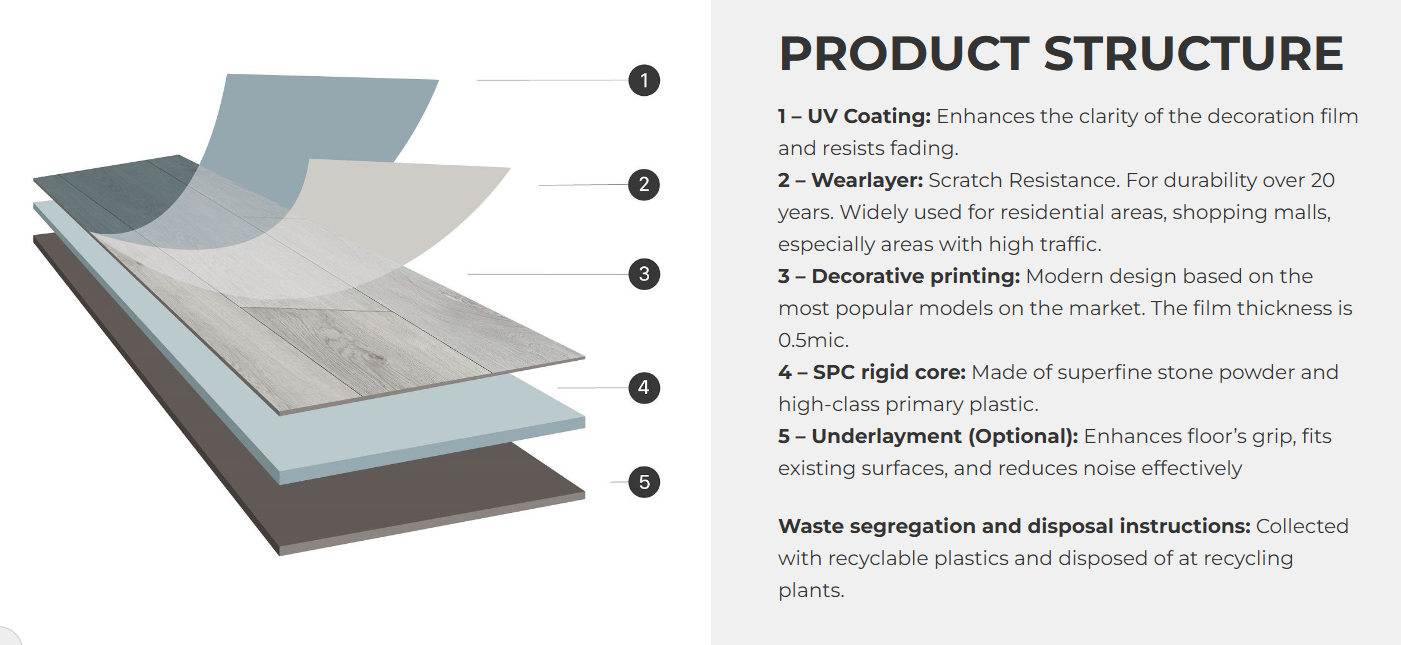
One of the most important factors determining the durability of SPC flooring is its core. SPC stands for Stone Plastic Composite, a material made by combining natural stone powder with virgin resin and stabilizers. This composition creates a rigid and stable core that helps the flooring maintain its structural integrity during everyday use.
Compared with materials that are more susceptible to moisture and changes in environmental conditions, SPC flooring offers good water and moisture resistance, making it suitable for a wide range of indoor spaces. However, the quality of raw materials and manufacturing technology should still be carefully considered when evaluating the overall performance of an SPC flooring product.
2. The Protective Surface Layer Helps Resist Scratches
During everyday use, flooring surfaces are exposed to constant impact from foot traffic, furniture movement, dust, and other household activities. Therefore, the protective layers on the surface play an important role in maintaining the appearance of the floor over time.
SPC flooring features a UV coating and a transparent protective layer above the decorative film. These layers help protect the surface from everyday wear and contribute to maintaining the appearance of the flooring over time.
However, “scratch-resistant” does not mean that the surface is completely scratch-proof. Proper use remains essential. Avoid dragging heavy furniture across the floor and clean dust and grit regularly to help preserve the surface for longer.
3. Water and Moisture Resistance
Moisture is one of the factors that can affect the lifespan of many types of flooring materials. This is particularly relevant in humid climates, where choosing a flooring solution with good water and moisture resistance can help minimize potential issues during use.
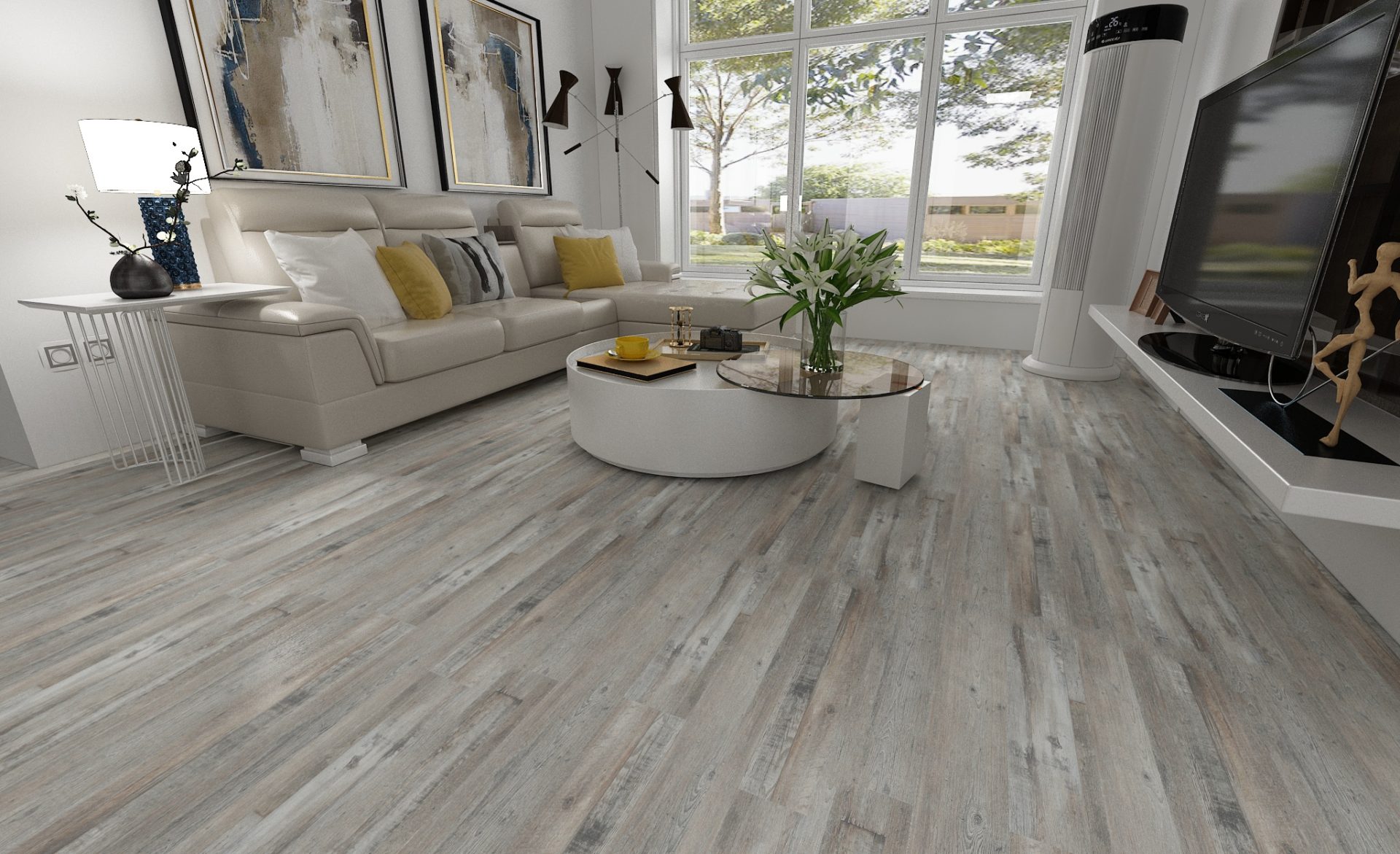
With its SPC core structure, SPC flooring offers good resistance to water and moisture, making it suitable for various indoor spaces such as living rooms, bedrooms, home offices, and areas that may experience higher humidity. This is also one of the reasons why SPC flooring is increasingly used in modern residential interiors.
However, the water resistance of the material does not replace the need for proper installation. The subfloor, joints, and installation process should all be handled correctly to ensure long-term performance.
4. Usage Conditions and Traffic Levels
The lifespan of flooring depends not only on the product itself but also on the environment and intensity of use. A residential apartment with moderate foot traffic has different usage conditions compared with an office, retail store, or commercial space with a high volume of visitors.
For areas with heavy traffic, selecting a product suitable for the intended application is essential. Simple measures can also help reduce daily impact, such as placing mats at entrances, using protective pads under furniture legs, and avoiding dragging heavy objects across the floor.
These small habits can help minimize direct impact on the surface and contribute to maintaining both the durability and appearance of the flooring over time.
5. Proper Cleaning and Maintenance
One often-overlooked factor that can significantly affect flooring longevity is how it is cleaned and maintained. Dust and grit left on the surface can create friction as people walk across the floor. Regular cleaning with suitable tools and prompt removal of spills can therefore help maintain the condition of the flooring.
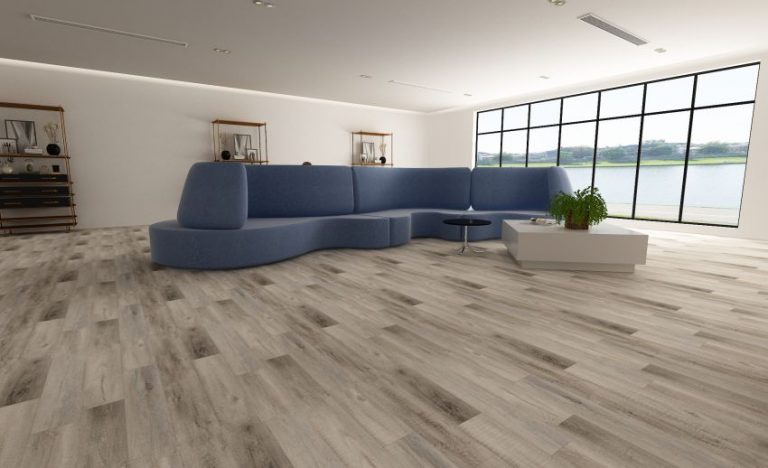
When cleaning SPC flooring, avoid highly abrasive chemicals, solvents, chlorine-based or ammonia-based cleaners, and products that may affect the protective surface layer. Abrasive materials should also not be used directly on the floor.
In addition, avoiding prolonged standing water and promptly cleaning up spills can help keep the flooring clean, attractive, and stable throughout its use.
Is SPC Flooring Durable? It Can Last When Properly Selected and Maintained
So, is SPC flooring durable? The answer depends on several factors, from material quality and product construction to installation, usage conditions, and maintenance. A well-engineered flooring product needs to be combined with proper installation and appropriate care to achieve its full performance potential.
Featuring a five-layer structure consisting of a UV coating, protective surface layer, decorative film, SPC core, and underlayment, AnPro SPC flooring is designed to provide stability, durability, and long-lasting aesthetics for a variety of modern interior spaces.
Choosing a quality flooring solution from the beginning, ensuring proper installation, and adopting appropriate cleaning and maintenance habits are the foundations for creating a space that retains its beauty and value over time.